[Get the best value backpacking hot tent on Amazon today!]
# The Ultimate Guide to Backpacking Hot Tents
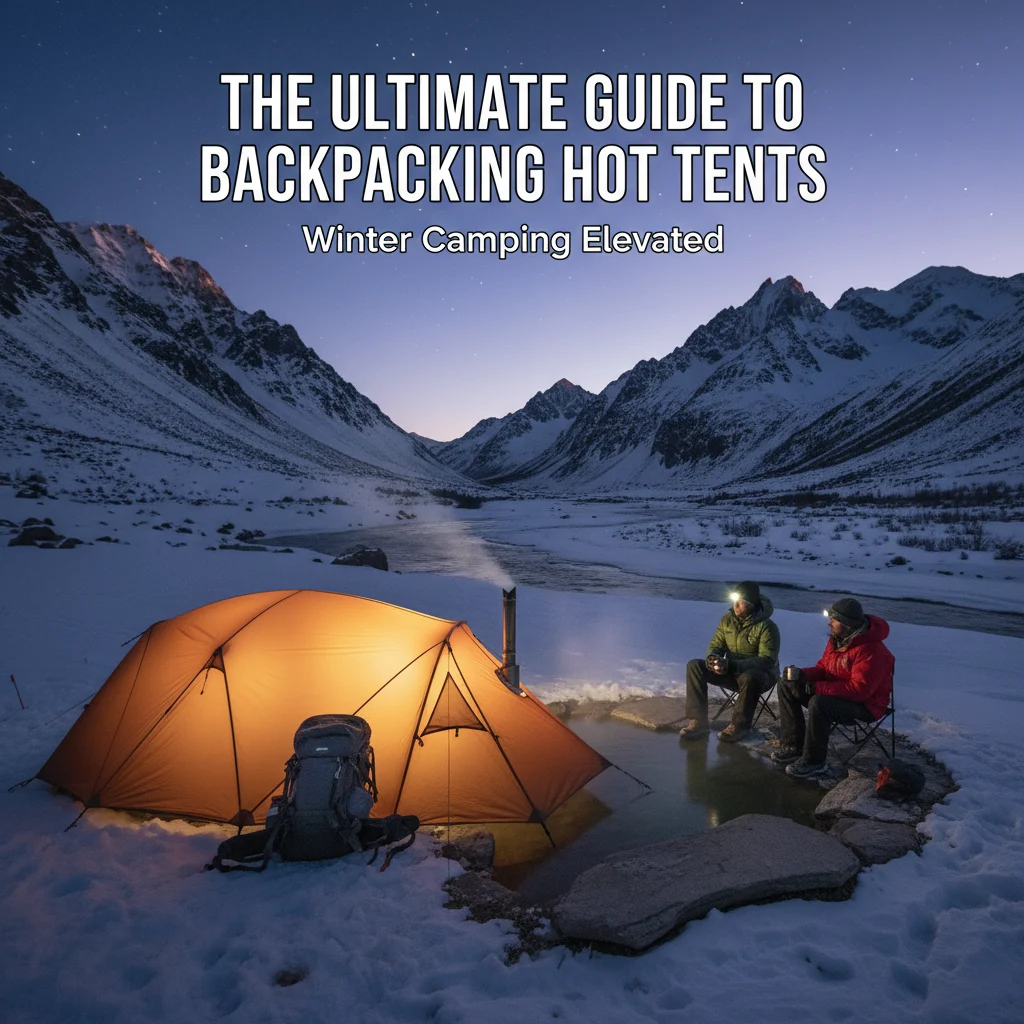
Backpacking in the winter can be an incredible experience. The trails are quieter, the landscapes are breathtakingly beautiful under a blanket of snow, and the crisp air invigorates the soul. But let’s be honest, staying warm and comfortable is paramount. That’s where backpacking hot tents come in. Forget shivering through the night – a backpacking hot tent allows you to create a cozy, heated shelter in the backcountry, transforming your winter camping experience from a test of endurance to a genuine pleasure.
This ultimate guide dives deep into the world of backpacking hot tents. We’ll explore what they are, why they’re a game-changer for cold-weather camping, and everything you need to know to choose the right one and use it safely and effectively. Whether you’re a seasoned winter camper or just starting to explore the possibilities, this guide will equip you with the knowledge to confidently embrace the warmth and comfort of a backpacking hot tent.
[Browse top-rated backpacking hot tent on Amazon]
## What is a Backpacking Hot Tent?
A backpacking hot tent is essentially a lightweight, portable tent designed to be used with a wood-burning stove inside. Unlike traditional tents built for three-season use, hot tents are made with materials that can withstand the heat from a stove, and they typically feature a stove jack – a fireproof opening in the tent wall or roof that allows the stovepipe to vent outside.
The beauty of a backpacking hot tent lies in its ability to provide substantial warmth in cold conditions. The wood-burning stove radiates heat, creating a comfortable living space where you can dry gear, cook meals, and relax after a long day of hiking. The “backpacking” aspect means these tents are designed to be relatively lightweight and packable, making them suitable for carrying on backpacking trips.
[Browse top-rated backpacking hot tent on Amazon]
## Why Choose a Backpacking Hot Tent?
The benefits of using a backpacking hot tent extend far beyond simply staying warm. Here’s why they’re becoming increasingly popular among winter adventurers:
* **Unmatched Warmth:** This is the most obvious benefit. A stove inside your tent can raise the temperature significantly, making even the coldest nights bearable.
* **Gear Drying:** Wet gear is a camper’s worst nightmare. A hot tent allows you to dry out damp clothes, boots, and sleeping bags, preventing discomfort and potential hypothermia.
* **Extended Camping Season:** Don’t let winter limit your adventures. A hot tent allows you to comfortably camp in conditions that would otherwise be too harsh.
* **Comfort and Livability:** The added warmth and ability to dry gear greatly enhance the overall comfort of your camping experience. It transforms your tent from just a shelter into a cozy home away from home.
* **Cooking Indoors (Safely):** While always exercising extreme caution, a hot tent allows you to cook inside your tent, avoiding the need to brave the cold and wind to prepare meals.
* **Emergency Shelter:** In a survival situation, a hot tent can be a lifesaver, providing essential warmth and shelter when you need it most.
[Browse top-rated backpacking hot tent on Amazon]
## Choosing the Right Backpacking Hot Tent
Selecting the perfect backpacking hot tent depends on several factors, including the number of people you’ll be camping with, the type of trips you’ll be taking, and your budget. Here’s a breakdown of the key considerations:
### Size and Capacity
Hot tents come in various sizes, from solo shelters to larger tents that can accommodate several people. Consider the following:
* **Solo Backpackers:** A smaller, lightweight tent designed for one person is ideal. Look for options that offer enough space to sleep comfortably and store your gear.
* **Couples:** A two-person tent provides more room to move around and store gear, while still remaining relatively lightweight.
* **Groups:** For larger groups, consider a tent with a larger footprint and higher peak height to accommodate everyone comfortably.
Remember to factor in the space required for the stove and firewood when determining the appropriate size. It’s generally better to err on the side of a slightly larger tent than one that feels cramped.
### Material
The material of your hot tent is crucial for both heat retention and safety. Here are the most common options:
* **Canvas:** Canvas tents are durable, breathable, and offer excellent heat retention. However, they are also heavier and more expensive than other options. Canvas is also naturally fire resistant, but it’s still important to use a stove jack.
* **Polyester:** Polyester tents are lighter and more affordable than canvas, but they don’t offer the same level of heat retention or durability. Look for polyester tents with a stove jack made of fire-resistant material.
* **Nylon:** Similar to polyester, nylon tents are lightweight and packable. However, nylon is more susceptible to damage from sparks and embers, so it’s essential to use a stove jack and exercise caution when using a stove inside. Silnylon is a popular choice as it is waterproof and relatively lightweight.
* **Cuben Fiber (Dyneema Composite Fabric):** This is the ultimate in lightweight material. It’s incredibly strong, waterproof, and packs down to a tiny size. However, it’s also the most expensive option and requires extra care to avoid damage. Cuben fiber is NOT fire resistant and should be used with extreme caution with a stove.
### Weight and Packability
When backpacking, weight is always a concern. Look for a hot tent that strikes a balance between warmth, durability, and packability.
* **Lightweight Options:** For solo backpackers or those prioritizing weight, consider a smaller tent made from lightweight materials like silnylon or cuben fiber.
* **Heavier Options:** For group trips or when weight is less of a concern, a larger canvas tent may be a good choice.
Consider the weight of the tent, stove, and firewood when planning your trip. Distribute the weight evenly among your group to make the load more manageable.
### Stove Jack
The stove jack is a crucial safety feature that allows you to vent the stovepipe outside the tent without damaging the fabric. Look for a stove jack made from fire-resistant material, such as silicone-coated fiberglass.
* **Placement:** The placement of the stove jack is also important. It should be positioned in a location that allows for proper ventilation and minimizes the risk of sparks or embers landing on the tent fabric.
* **Size:** Ensure the stove jack is large enough to accommodate the diameter of your stovepipe.
### Other Features
* **Ventilation:** Proper ventilation is essential to prevent condensation and carbon monoxide buildup. Look for tents with adjustable vents that can be opened or closed as needed.
* **Doors and Windows:** Multiple doors and windows can improve ventilation and provide easy access to the tent.
* **Floor:** Some hot tents come with a sewn-in floor, while others have a floorless design. A floorless design is often preferred for hot tents, as it allows you to easily sweep out debris and prevents snow or water from accumulating inside the tent. A groundsheet can be used to protect your sleeping pad.
* **Reinforcements:** Look for tents with reinforced stress points, such as around the stove jack and guy-out points, to ensure durability in harsh conditions.
[Browse top-rated backpacking hot tent on Amazon]
## Setting Up Your Backpacking Hot Tent
Setting up a backpacking hot tent is similar to setting up a regular tent, but there are a few extra steps to consider:
1. **Choose a Safe Location:** Select a flat, snow-free area away from trees or other flammable materials. Ensure the area is well-ventilated and protected from strong winds.
2. **Pitch the Tent:** Follow the manufacturer’s instructions for pitching the tent. Ensure the tent is taut and securely staked to the ground.
3. **Install the Stove Jack:** If your tent doesn’t have a pre-installed stove jack, carefully cut an opening in the tent fabric according to the manufacturer’s instructions. Install the stove jack, ensuring it is securely attached to the tent.
4. **Set Up the Stove:** Assemble the wood stove and place it inside the tent, ensuring it is level and stable. Connect the stovepipe to the stove and run it through the stove jack, ensuring it extends far enough outside the tent to prevent sparks from landing on the fabric.
5. **Ventilation:** Open the vents in the tent to ensure proper ventilation.
6. **Carbon Monoxide Detector:** Install a carbon monoxide detector inside the tent to monitor carbon monoxide levels.
[Browse top-rated backpacking hot tent on Amazon]
## Using Your Backpacking Hot Tent Safely
Safety should always be your top priority when using a backpacking hot tent. Here are some essential safety tips:
* **Carbon Monoxide:** Carbon monoxide is a colorless, odorless gas that can be deadly. Always use a carbon monoxide detector inside the tent and ensure proper ventilation. Never operate the stove with the tent completely sealed.
* **Fire Safety:** Keep flammable materials away from the stove and stovepipe. Never leave the stove unattended while it is burning. Have a fire extinguisher or a bucket of water readily available in case of a fire.
* **Spark Arrestor:** Use a spark arrestor on the stovepipe to prevent sparks from escaping and potentially igniting the tent fabric or surrounding vegetation.
* **Clearance:** Ensure there is adequate clearance between the stovepipe and the tent fabric. Use a heat shield if necessary.
* **Wood Selection:** Use only dry, seasoned wood in the stove. Avoid using wet or green wood, as it produces more smoke and creosote.
* **Ventilation:** Maintain proper ventilation to prevent condensation and carbon monoxide buildup.
* **Practice:** Practice setting up and using the tent and stove in a safe environment before heading out on a trip.
*
[Check the latest prices and deals for backpacking hot tent on Amazon today!]