[Get the best value seasoned firewood on Amazon today!]
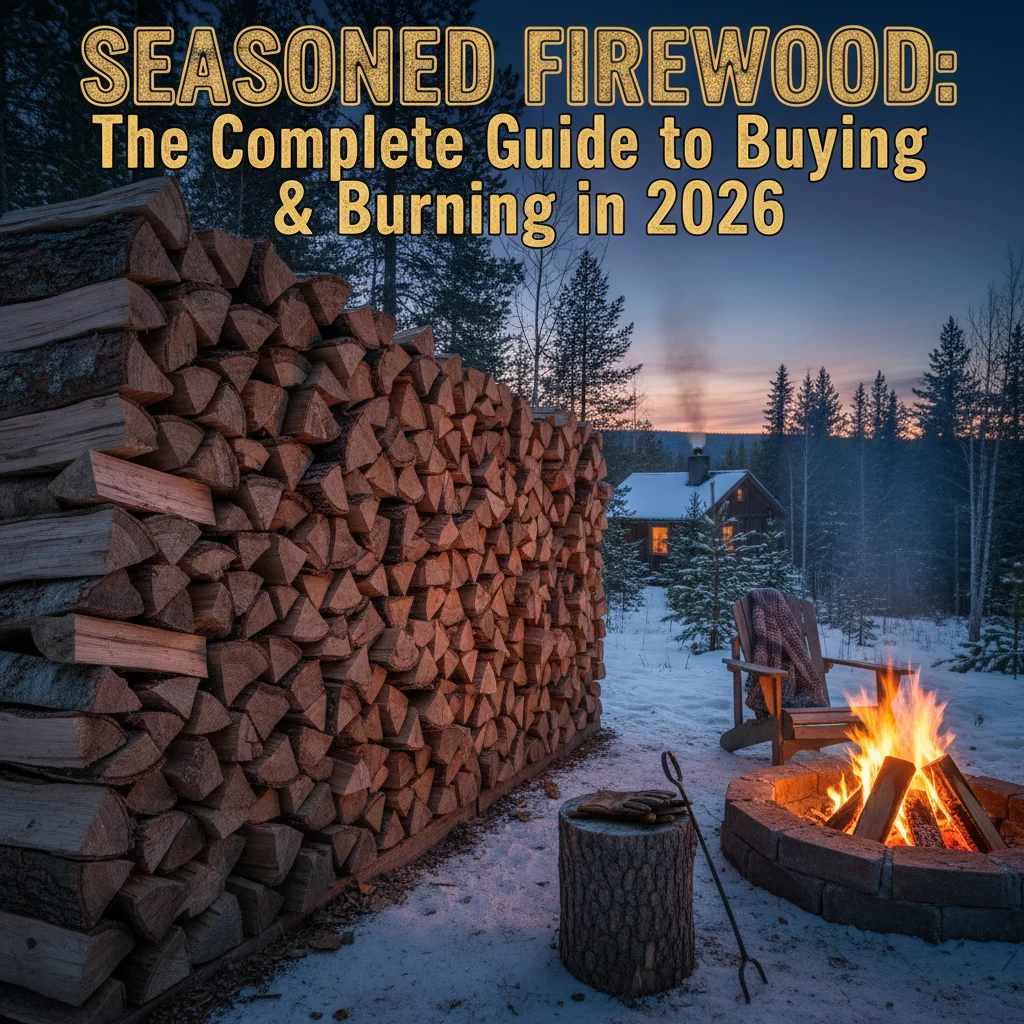
# Seasoned Firewood: The Complete Guide to Buying & Burning in 2026
Are you tired of struggling to light damp, smoky firewood? Do you want a roaring fire that burns efficiently and keeps you warm all winter long? Then you’ve come to the right place! This guide will walk you through everything you need to know about seasoned firewood, ensuring you choose the best option for your needs and enjoy a crackling fire every time. We’ll cover what seasoned firewood *actually* is, how to identify it, where to buy it, and how to properly store it so you can enjoy its benefits all winter long. Let’s get started!
[Browse top-rated seasoned firewood on Amazon]
## What is Seasoned Firewood and Why Does it Matter?
“Seasoned firewood” refers to wood that has been properly dried, typically over a period of six months to two years. This drying process significantly reduces the moisture content of the wood, making it much easier to light and burn efficiently. Unseasoned, or “green,” wood can contain as much as 50% moisture, which leads to a host of problems.
Here’s why seasoned firewood is crucial for a successful and enjoyable fire:
* **Easy to Light:** Dry wood ignites much quicker and easier than wet wood. No more struggling with kindling and frustration!
* **Burns Hotter:** Less energy is wasted evaporating water, resulting in a hotter and more efficient fire.
* **Produces Less Smoke:** Green wood creates excessive smoke, which can be irritating to breathe, pollute the air, and increase the risk of chimney fires. Seasoned wood burns cleaner.
* **Reduces Creosote Buildup:** Creosote is a flammable substance that accumulates in your chimney when burning unseasoned wood. Seasoned wood minimizes creosote buildup, reducing the risk of dangerous chimney fires.
* **More Efficient Burning:** You’ll use less seasoned firewood to achieve the same amount of heat compared to green wood, saving you money in the long run.
[Browse top-rated seasoned firewood on Amazon]
## How to Identify Seasoned Firewood
Knowing how to identify seasoned firewood is key to making a smart purchase. Here are some telltale signs:
* **Color:** Seasoned firewood typically has a grayish or brownish color, whereas green wood tends to be brighter and fresher-looking.
* **Weight:** Seasoned wood is significantly lighter than green wood because much of the water has evaporated. Pick up a piece of each to feel the difference.
* **Cracks:** Look for cracks or splits in the ends of the logs. These cracks develop as the wood dries and shrinks.
* **Bark:** The bark on seasoned wood may be loose or falling off, while the bark on green wood is usually tightly attached.
* **Sound:** When you bang two pieces of seasoned firewood together, they should make a hollow sound. Green wood will sound dull.
* **Smell:** Seasoned firewood has a less pronounced, almost musty smell compared to the fresh, sappy scent of green wood.
* **Moisture Meter:** For the most accurate assessment, use a moisture meter. Seasoned firewood should have a moisture content of 20% or less. You can find these meters at most hardware stores or online, like this one on Amazon: [Affiliate Link to Moisture Meter]. The *Klein Tools ET140 Wood Moisture Meter* is a great option for its ease of use and accuracy.
[Browse top-rated seasoned firewood on Amazon]
## Where to Buy Seasoned Firewood
Finding a reliable source for seasoned firewood is essential. Here are some options to consider:
* **Local Firewood Dealers:** These dealers often specialize in firewood and can provide seasoned wood in various quantities. Ask about their seasoning process and moisture content guarantees.
* **Tree Service Companies:** Tree service companies often have a surplus of wood and may sell it as firewood. Inquire about the seasoning time and storage methods.
* **Hardware Stores and Home Improvement Centers:** Many hardware stores and home improvement centers sell firewood, especially during the colder months. However, be sure to check the seasoning and quality before purchasing. Sometimes, the wood is stored improperly and can reabsorb moisture.
* **Online Retailers:** While less common, some online retailers offer firewood delivery. Research the seller’s reputation and ensure they provide details about the seasoning process and moisture content.
* **Cutting Your Own:** If you have access to a wooded area and the necessary permits, you can cut your own firewood. However, remember that you’ll need to season it properly before burning.
**Things to ask when buying firewood:**
* **”How long has this wood been seasoning?”** Aim for at least six months, preferably longer.
* **”What type of wood is this?”** Hardwoods like oak, maple, and ash are denser and burn longer than softwoods like pine and fir.
* **”What is the moisture content?”** Ideally, it should be below 20%.
* **”How is the firewood stored?”** It should be stored off the ground and covered to protect it from rain and snow.
[Browse top-rated seasoned firewood on Amazon]
## How to Store Seasoned Firewood Properly
Proper storage is crucial for maintaining the dryness of your seasoned firewood. Here’s how to do it right:
* **Elevate the Wood:** Stack the firewood on pallets, cinder blocks, or a purpose-built firewood rack to keep it off the ground and prevent moisture absorption. [Affiliate Link to Firewood Rack – example: Amagabeli Firewood Rack]. The *Amagabeli Firewood Rack with 4 Tools Outdoor Log Rack* is a sturdy and weather-resistant option.
* **Cover the Top:** Cover the top of the woodpile with a tarp or roof to protect it from rain and snow. However, leave the sides open to allow for air circulation.
* **Choose a Sunny and Windy Location:** Select a location that receives plenty of sunlight and is exposed to wind. This will help to dry the wood further and prevent mold growth.
* **Stack Loosely:** Don’t stack the wood too tightly. Leave some space between the logs to allow for air circulation.
* **Avoid Storing Indoors:** Avoid storing large amounts of firewood indoors, as it can attract insects and rodents. If you must store some indoors, keep it in a well-ventilated area away from living spaces.
[Browse top-rated seasoned firewood on Amazon]
## Common Types of Firewood and Their Burning Qualities
The type of wood you burn significantly impacts the quality of your fire. Here’s a breakdown of some common firewood types and their characteristics:
* **Hardwoods (Oak, Maple, Ash, Birch):**
* **Pros:** Dense, burn longer, produce more heat, less smoke.
* **Cons:** Can be more difficult to ignite, may be more expensive.
* **Softwoods (Pine, Fir, Spruce):**
* **Pros:** Easy to ignite, burns quickly.
* **Cons:** Burns faster, produces less heat, more smoke, more creosote.
**Here’s a more detailed look at some popular choices:**
* **Oak:** Considered one of the best firewoods. Burns long and hot, producing minimal smoke.
* **Maple:** Another excellent choice. Burns hot and clean.
* **Ash:** Easy to split and burns well, producing a steady flame.
* **Birch:** Burns with a pleasant aroma and produces good heat.
* **Hickory:** Burns very hot and produces a smoky flavor, making it great for cooking.
**Avoid burning these woods:**
* **Green Wood:** As discussed earlier, it’s difficult to light, produces lots of smoke, and is inefficient.
* **Treated Wood:** Contains chemicals that can release harmful toxins when burned.
* **Painted Wood:** Similar to treated wood, painted wood can release harmful toxins.
* **Driftwood:** Often contains salt, which can damage your fireplace or stove.
[Browse top-rated seasoned firewood on Amazon]
## The Environmental Impact of Burning Firewood
While burning seasoned firewood can be a cozy and efficient way to heat your home, it’s important to be aware of the environmental impact.
* **Air Pollution:** Burning firewood releases particulate matter and other pollutants into the air, which can contribute to respiratory problems and other health issues.
* **Deforestation:** Unsustainable logging practices can lead to deforestation and habitat loss.
* **Carbon Emissions:** Burning firewood releases carbon dioxide, a greenhouse gas that contributes to climate change.
**To minimize your environmental impact:**
* **Burn Seasoned Firewood:** As mentioned earlier, seasoned firewood burns more efficiently and produces less smoke.
* **Use an EPA-Certified Stove:** EPA-certified stoves are designed to burn more efficiently and produce less pollution.
* **Practice Proper Burning Techniques:** Ensure adequate airflow and avoid smoldering fires.
* **Consider Alternative Heating Options:** Explore other heating options, such as natural gas, propane, or electric heat pumps, which may have a lower environmental impact.
* **Source Firewood Sustainably:** Purchase firewood from reputable dealers who practice sustainable logging practices.
[Browse top-rated seasoned firewood on Amazon]
## Tools for the Job: Making the Most of Your Seasoned Firewood
Having the right tools can make burning seasoned firewood even easier and more enjoyable. Here are a few essential items:
* **Firewood Rack:** Keeps your firewood organized, off the ground, and dry. [Affiliate Link to Firewood Rack – already mentioned above].
* **Axe or Maul:** For splitting larger logs into smaller, more manageable pieces. The *Fiskars IsoCore 8 lb Maul* [Affiliate Link to Fiskars Maul] is a great option for splitting tough logs. Its patented IsoCore Shock Control
[Check the latest prices and deals for seasoned firewood on Amazon today!]