[Get the best value cord firewood on Amazon today!]
# Cord Firewood: The Complete Guide to Buying, Stacking, and Burning
Are you dreaming of cozy winter nights by the fire, but feeling overwhelmed by the prospect of buying, stacking, and burning firewood? Don’t worry! This complete guide will walk you through everything you need to know about cord firewood, from understanding what a cord actually is to safely enjoying a crackling fire. We’ll cover the different types of wood, how to choose the best quality, proper stacking techniques, and best practices for burning. Get ready to transform your fireplace into a source of warmth and relaxation!
[Browse top-rated cord firewood on Amazon]
## Understanding Cord Firewood
Before you even think about buying, it’s essential to understand what a “cord” of firewood actually means. It’s not just a random pile of logs! A cord is a precisely measured volume, and knowing this will help you avoid getting ripped off.
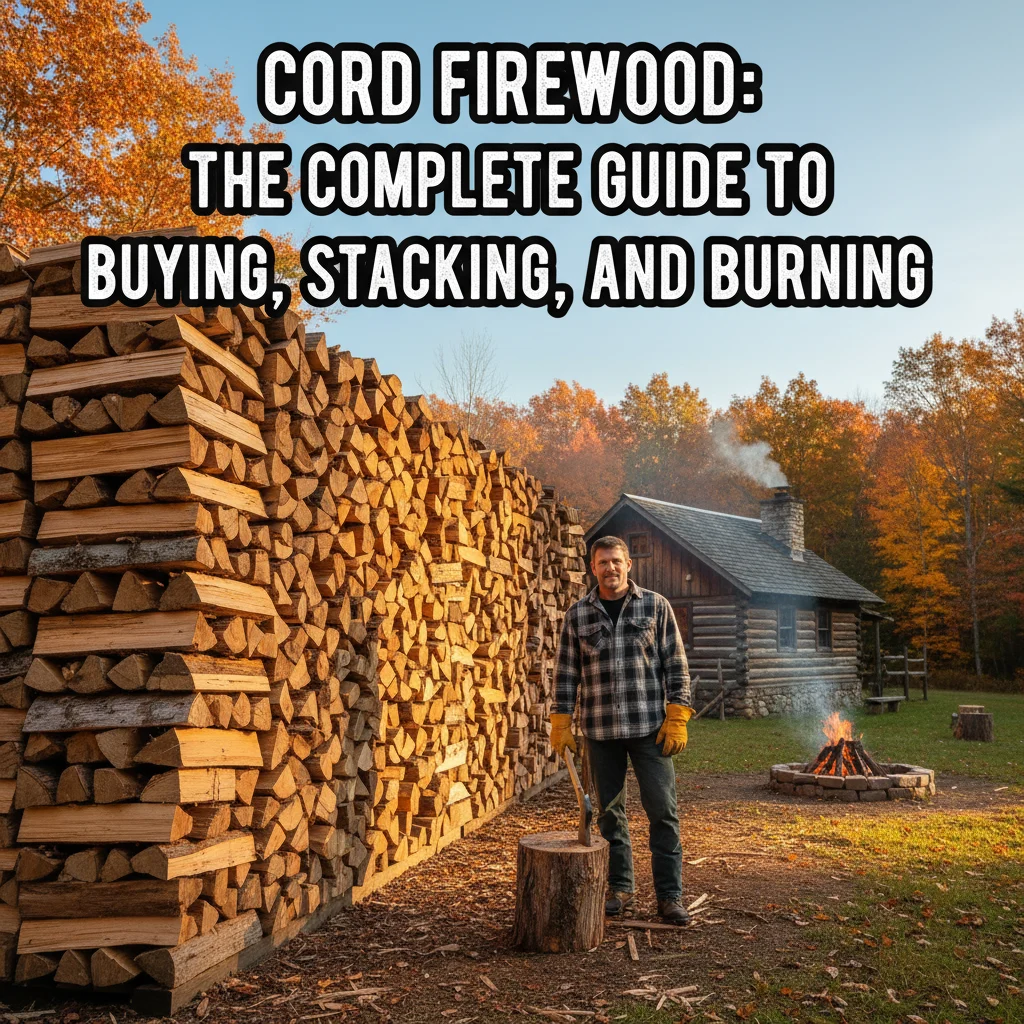
A standard cord of firewood is defined as a tightly stacked pile measuring 4 feet high, 4 feet wide, and 8 feet long. This equates to 128 cubic feet of wood, including air space between the logs. Keep in mind that a “face cord” or “rick” is *not* a full cord. It’s typically 4 feet high, 8 feet long, but the width varies, usually around 16 inches. Always clarify exactly what you’re getting when discussing firewood quantities with a seller.
### Why the Measurement Matters
Knowing the standard cord measurement protects you from unscrupulous sellers. It also helps you accurately estimate how much firewood you’ll need to get through the winter. Underestimating can leave you shivering, while overestimating can lead to wasted money and storage headaches.
[Browse top-rated cord firewood on Amazon]
## Buying Cord Firewood: What to Look For
Once you understand the measurement, the next step is to evaluate the quality of the firewood itself. Not all wood is created equal, and the type, dryness, and overall condition will significantly impact its burning efficiency and heat output.
### Types of Wood: Hardwood vs. Softwood
The primary distinction to consider is between hardwood and softwood.
* **Hardwoods:** These are generally denser and burn hotter and longer than softwoods. They also produce less smoke and creosote (a flammable byproduct that can build up in your chimney). Popular hardwoods for firewood include oak, maple, ash, birch, and hickory.
* **Softwoods:** These woods ignite easily and burn quickly, making them good for starting fires but less ideal for sustained heat. They also tend to produce more smoke and creosote. Common softwoods include pine, fir, spruce, and cedar.
**Recommendation:** For primary heating or long-lasting fires, opt for hardwoods. Softwoods can be used for kindling or shorter, less intense fires.
### Seasoning: The Key to Efficient Burning
“Seasoning” refers to the process of drying firewood. Freshly cut (“green”) wood contains a high moisture content, which makes it difficult to ignite and burn efficiently. Burning green wood produces significantly less heat, more smoke, and more creosote buildup.
**How to Tell if Firewood is Seasoned:**
* **Weight:** Seasoned wood will feel noticeably lighter than green wood.
* **Color:** Seasoned wood will have a grayish or weathered appearance.
* **Cracks:** Look for cracks or splits in the ends of the logs, indicating that moisture has evaporated.
* **Sound:** When you strike two seasoned logs together, they should produce a hollow sound. Green wood will sound dull.
**Recommendation:** Aim for firewood that has been seasoned for at least six months, and preferably a year.
### Avoiding Pests and Rot
Carefully inspect the firewood for signs of insect infestation, rot, or mold. Avoid wood that is excessively buggy, decayed, or smells musty. These issues can not only reduce the wood’s burning efficiency but also potentially introduce pests into your home.
**Recommendation:** Purchase firewood from a reputable source and inspect it thoroughly upon delivery.
[Browse top-rated cord firewood on Amazon]
## Stacking Cord Firewood: Best Practices
Properly stacking your cord firewood is crucial for seasoning, preventing rot, and ensuring easy access when you need it. Here’s how to stack it like a pro:
### Location, Location, Location
* **Choose a Sunny and Windy Spot:** This will maximize airflow and promote faster drying.
* **Elevate the Wood:** Use pallets, cinder blocks, or a simple wood frame to keep the firewood off the ground, preventing moisture absorption and rot.
* **Keep it Away from Your House:** Store firewood at least 20 feet away from your home to minimize the risk of insect infestation and fire hazards.
### Stacking Techniques
* **Crisscross the Ends:** Start by creating a stable base with crisscrossed logs at each end of the stack. This will help prevent the stack from collapsing.
* **Leave Space for Airflow:** Don’t pack the logs too tightly together. Leave small gaps between them to allow air to circulate.
* **Cover the Top (Optional):** If you live in a rainy area, consider covering the top of the stack with a tarp or sheet of plywood to protect it from excessive moisture. However, leave the sides open for ventilation.
### Tools for the Job
* **Wood Splitter:** A hydraulic or manual wood splitter can make quick work of splitting larger logs into manageable sizes. The **Fiskars IsoCore Maul** is a great manual option. It’s durable and designed to reduce shock, making splitting wood less strenuous. *Why We Recommend It:* The IsoCore technology significantly reduces vibration, minimizing fatigue and potential injuries. Its patented head design also provides better force transfer for more efficient splitting.
* **Firewood Rack:** These racks keep your firewood neatly organized and off the ground, promoting proper seasoning and preventing rot. The **Amagabeli Firewood Rack** is a popular choice. *Why We Recommend It:* This rack is sturdy, durable, and comes in various sizes to fit your needs. It also features a powder-coated finish for rust resistance.
[Browse top-rated cord firewood on Amazon]
## Burning Cord Firewood: Safety First
Burning firewood safely is paramount. Here are some essential safety guidelines:
### Chimney Maintenance
* **Regular Inspections:** Have your chimney inspected annually by a qualified professional to check for creosote buildup, cracks, or other damage.
* **Professional Cleaning:** Clean your chimney regularly to remove creosote, which can ignite and cause a chimney fire. The frequency of cleaning depends on how often you burn firewood and the type of wood you burn.
### Fireplace Safety
* **Use a Fire Screen:** Always use a fire screen to prevent sparks and embers from escaping the fireplace.
* **Never Leave a Fire Unattended:** Extinguish the fire completely before leaving the house or going to bed.
* **Proper Ventilation:** Ensure adequate ventilation in the room to prevent carbon monoxide buildup. Install a carbon monoxide detector and check its batteries regularly.
### Starting and Maintaining a Fire
* **Use Kindling and a Fire Starter:** Start with small pieces of kindling and a fire starter to get the fire going. Avoid using flammable liquids like gasoline or kerosene.
* **Add Wood Gradually:** Add firewood gradually, placing the logs at the back of the fireplace and angling them slightly upward.
* **Maintain a Hot Fire:** A hot fire burns more efficiently and produces less smoke and creosote.
[Browse top-rated cord firewood on Amazon]
## Pro-Tips / FAQ Section
* **How much firewood do I need for the winter?** This depends on the size of your home, the climate, and how often you plan to use your fireplace. A good starting point is 2-4 cords for a typical winter.
* **Can I burn all types of wood in my fireplace?** No. Avoid burning treated wood, painted wood, or construction debris, as these can release harmful chemicals into the air.
* **What is the best way to store firewood long-term?** Store firewood in a dry, well-ventilated area, away from direct sunlight and rain. Cover the top of the stack with a tarp, but leave the sides open for airflow.
* **Is it okay to burn firewood that has mold on it?** It’s generally not recommended. While the fire will likely kill the mold, it can release spores into the air, which may be harmful to people with allergies or respiratory problems.
* **How do I prevent creosote buildup in my chimney?** Burn seasoned firewood, maintain a hot fire, and have your chimney inspected and cleaned regularly.
[Browse top-rated cord firewood on Amazon]
## Encouraging Conclusion
Buying, stacking, and burning cord firewood might seem daunting at first, but with this comprehensive guide, you’re now equipped with the knowledge to do it safely and efficiently. From understanding the importance of seasoned hardwoods to mastering proper stacking techniques, you’re well on your way to enjoying warm, crackling fires all winter long. So go ahead, gather your firewood, build a cozy fire, and relax! You’ve earned it.
[Check the latest prices and deals for cord firewood on Amazon today!]