[Get the best value firewood logs on Amazon today!]
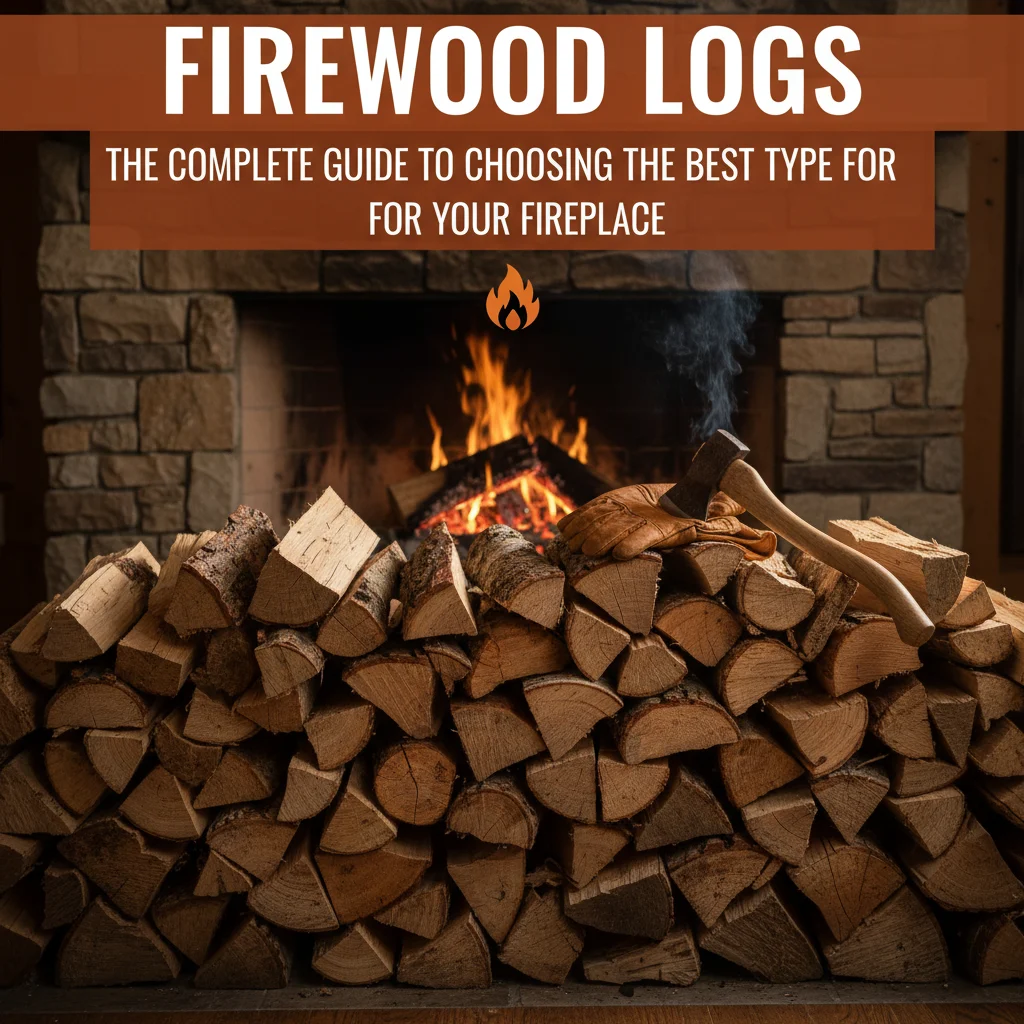
# Firewood Logs: The Complete Guide to Choosing the Best Type for Your Fireplace
Are you looking to cozy up by the fireplace this winter? Nothing beats the warmth and ambiance of a crackling fire, but choosing the right firewood logs can make all the difference. This complete guide will walk you through everything you need to know to select the best type of firewood for your fireplace, ensuring a safe, efficient, and enjoyable burning experience. We’ll cover different wood types, moisture content, storage, and more, so you can confidently build the perfect fire every time.
[Browse top-rated firewood logs on Amazon]
## Why Choosing the Right Firewood Logs Matters
Choosing the right firewood logs isn’t just about convenience; it’s about safety, efficiency, and the overall enjoyment of your fireplace. Different types of wood burn at different temperatures, produce varying amounts of smoke and creosote, and offer distinct aromas. Using the wrong type of wood can lead to:
* **Safety Hazards:** Excessive creosote buildup can cause chimney fires.
* **Poor Burning Performance:** Wet or improperly seasoned wood is difficult to light and produces little heat.
* **Environmental Concerns:** Some woods produce more smoke and pollutants than others.
* **Damage to Your Fireplace:** Certain woods can spark excessively, potentially damaging your fireplace or surrounding area.
So, taking the time to understand your firewood options is crucial for a safe and satisfying fire.
[Browse top-rated firewood logs on Amazon]
## Types of Firewood Logs: A Comprehensive Overview
Let’s dive into the different types of firewood logs available, exploring their characteristics, benefits, and potential drawbacks. We’ll primarily focus on hardwoods and softwoods, as these are the most common types used for fireplaces.
### Hardwoods
Hardwoods are generally denser and burn hotter and longer than softwoods. They also produce less smoke and creosote, making them a safer and more efficient choice for your fireplace. Here are some popular hardwood options:
* **Oak:** Often considered the king of firewood, oak burns slowly and steadily, producing intense heat. It’s a dense wood that requires a longer seasoning time (at least 12 months, ideally 2 years). Oak firewood logs are a great all-around choice.
* **Maple:** Maple is another excellent hardwood option, offering good heat output and a pleasant aroma. It’s easier to split than oak and seasons relatively quickly (6-9 months).
* **Ash:** Ash is known for its easy splitting and burning characteristics. It produces good heat and a minimal amount of smoke. Ash firewood logs season relatively quickly (6-9 months) and are a popular choice.
* **Birch:** Birch is a visually appealing wood with a distinctive bark. It burns quickly and produces good heat, but it can also produce more smoke than other hardwoods. Birch firewood logs should be thoroughly seasoned (6-9 months) before burning.
* **Beech:** Beech is a dense hardwood that burns hot and long, similar to oak. It’s a great option for extended burns and produces minimal smoke. Beech firewood logs require a longer seasoning time (12+ months).
* **Hickory:** Hickory is known for its high heat output and distinct aroma, often used for smoking meats. It’s a dense wood that requires a longer seasoning time (12+ months). Hickory firewood logs are a premium choice for those who value heat and fragrance.
### Softwoods
Softwoods are less dense than hardwoods and burn faster, producing more smoke and creosote. While not ideal for primary heating, they can be useful for starting fires or adding a quick burst of heat. Here are some common softwood options:
* **Pine:** Pine is readily available and easy to light, making it a good choice for kindling. However, it burns quickly and produces a significant amount of smoke and creosote. Pine firewood logs should be used sparingly and only in well-ventilated fireplaces.
* **Fir:** Fir is similar to pine in its burning characteristics, offering easy ignition but producing more smoke and creosote than hardwoods. Fir firewood logs are best used for kindling or short burns.
* **Spruce:** Spruce is another softwood option that burns quickly and produces a moderate amount of smoke. Spruce firewood logs are suitable for kindling but not recommended for extended burns.
* **Cedar:** Cedar has a distinct aroma and burns relatively clean, making it a popular choice for outdoor fires. However, it can spark excessively, so it’s not ideal for indoor fireplaces without a screen. Cedar firewood logs are often used for decorative purposes or in outdoor fire pits.
[Browse top-rated firewood logs on Amazon]
## Seasoning Firewood Logs: The Key to Efficient Burning
Seasoning is the process of drying firewood logs to reduce their moisture content. Properly seasoned wood burns hotter, cleaner, and more efficiently. Here’s why seasoning is crucial:
* **Reduced Smoke:** Dry wood produces significantly less smoke than wet wood, improving air quality and reducing indoor pollution.
* **Higher Heat Output:** Wet wood wastes energy boiling off moisture before it can burn, resulting in lower heat output.
* **Less Creosote Buildup:** Wet wood produces more creosote, a flammable substance that can accumulate in your chimney and cause dangerous chimney fires.
* **Easier Ignition:** Dry wood lights more easily and burns more consistently.
**How to Season Firewood Logs:**
1. **Split the Wood:** Splitting the wood increases its surface area, allowing it to dry more quickly.
2. **Stack Loosely:** Stack the wood in a single row, allowing air to circulate freely around each piece.
3. **Elevate the Stack:** Place the wood on pallets or other supports to keep it off the ground and prevent moisture from wicking up.
4. **Cover the Top:** Cover the top of the stack with a tarp or other waterproof material to protect it from rain and snow, but leave the sides open for ventilation.
5. **Allow Adequate Time:** Hardwoods typically require 6-24 months of seasoning, while softwoods may be ready in as little as 6 months.
**Signs of Properly Seasoned Firewood Logs:**
* **Cracks in the Ends:** Seasoned wood will often have cracks or checks in the ends.
* **Grayish Color:** The wood will have a grayish or weathered appearance.
* **Lighter Weight:** Seasoned wood will be noticeably lighter than freshly cut wood.
* **Hollow Sound:** When struck together, seasoned wood will produce a hollow sound.
[Browse top-rated firewood logs on Amazon]
## Storing Firewood Logs: Keeping Your Wood Dry and Accessible
Proper storage is essential for maintaining the quality of your seasoned firewood logs. Here are some tips for effective firewood storage:
* **Choose a Dry Location:** Store your firewood in a dry, well-ventilated area away from direct rain and snow.
* **Elevate the Wood:** Keep the wood off the ground to prevent moisture from wicking up.
* **Cover the Top:** Cover the top of the stack to protect it from the elements.
* **Allow Air Circulation:** Ensure adequate air circulation around the stack to prevent mold and mildew growth.
* **Consider a Firewood Rack:** A firewood rack can help organize your wood and keep it off the ground.
* **Keep a Small Supply Indoors:** Bring a small supply of firewood logs indoors for easy access.
[Browse top-rated firewood logs on Amazon]
## Choosing Firewood Logs for Different Fireplace Types
The type of fireplace you have can influence your choice of firewood logs.
* **Open Fireplace:** Open fireplaces are less efficient and produce more smoke. Hardwoods are generally preferred for open fireplaces due to their lower smoke production. Avoid softwoods, which can spark excessively.
* **Wood Stove:** Wood stoves are more efficient and offer better control over the burning process. You can use both hardwoods and softwoods in a wood stove, but hardwoods will provide longer and more consistent heat.
* **Fireplace Insert:** Fireplace inserts are designed to fit inside existing fireplaces and offer improved efficiency. The same guidelines for wood stoves apply to fireplace inserts.
[Browse top-rated firewood logs on Amazon]
## Safety Tips for Burning Firewood Logs
Burning firewood logs can be a safe and enjoyable experience with the right precautions. Here are some essential safety tips:
* **Inspect Your Chimney Regularly:** Have your chimney inspected and cleaned annually by a qualified professional to remove creosote buildup.
* **Use a Fireplace Screen:** A fireplace screen will prevent sparks and embers from escaping the fireplace, reducing the risk of fire.
* **Never Leave a Fire Unattended:** Always supervise a burning fire and ensure it is completely extinguished before leaving the room or going to bed.
* **Install Smoke Detectors and Carbon Monoxide Detectors:** Ensure that your home is equipped with working smoke detectors and carbon monoxide detectors.
* **Store Firewood Away from the House:** Store firewood at least 30 feet away from your house to prevent termites and reduce the risk of fire.
* **Dispose of Ashes Properly:** Allow ashes to cool completely before disposing of them in a metal container. Never store ashes indoors or near flammable materials.
* **Burn Only Dry, Seasoned Wood:** Never burn green or wet wood, as it produces excessive smoke and creosote.
* **Don’t Burn Treated Wood:** Never burn treated wood, as it can release harmful chemicals into the air.
* **Have a Fire Extinguisher Nearby:** Keep a fire extinguisher readily accessible in case of emergency.
[Browse top-rated firewood logs on Amazon]
## Recommended Firewood Log Products on Amazon
To get you started, here are a few highly-rated firewood log options available on Amazon:
1. **Mountain Home Naturals Kiln Dried Firewood:** Known for its low moisture content and easy ignition. Great for those who want ready-to-burn wood
[Check the latest prices and deals for firewood logs on Amazon today!]







![20×20 Pop Up Tent: The Ultimate Buyer’s Guide [2026]](https://www.bestoutdoorgearreview.com/wp-content/uploads/2026/04/20x20-pop-up-tent-the-ultimate-buyers-guide-2026-150x150.webp)