[Get the best value coat into sleeping bag on Amazon today!]
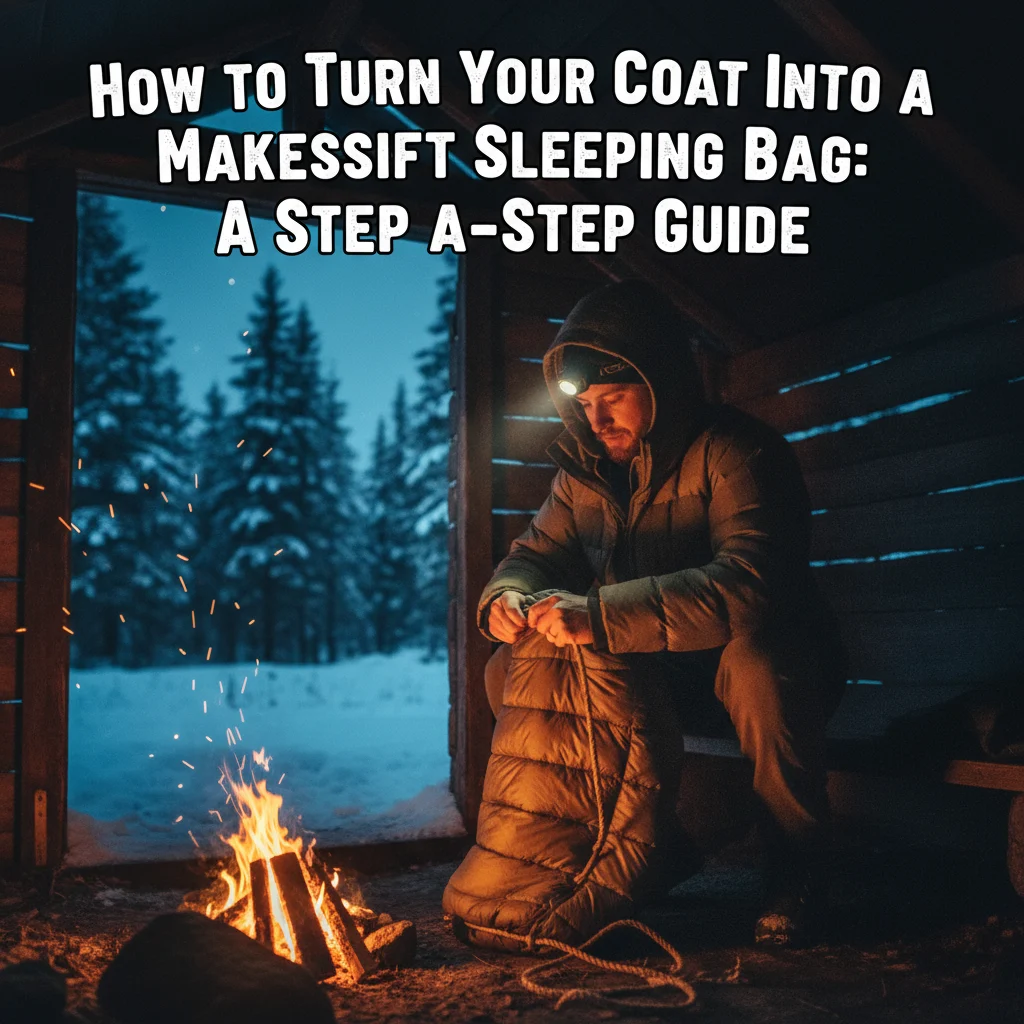
# How to Turn Your Coat Into a Makeshift Sleeping Bag: A Step-by-Step Guide
Ever found yourself unexpectedly stuck outdoors, wishing you had a sleeping bag? Maybe a hike went longer than planned, or your car broke down in the middle of nowhere. While a proper sleeping bag is always the best option, knowing how to turn your coat into a makeshift one could be a lifesaver. This guide will walk you through a simple, step-by-step process, transforming your everyday coat into a surprisingly effective temporary shelter. It’s easier than you think!
### Step 1: Assess Your Coat and Environment
Before you start, take stock of what you’re working with. The thicker and longer your coat, the better insulated and protected you’ll be. Consider the weather conditions. Is it raining? Windy? Knowing this will help you decide where to set up your makeshift sleeping bag and what additional steps you might need to take. A lightweight rain jacket won’t offer much insulation, but a heavy down-filled parka will be significantly warmer. If possible, find a sheltered location out of the wind and rain.
### Step 2: Find Additional Insulation (If Possible)
While your coat is the main component, adding extra insulation will dramatically increase the warmth and comfort of your makeshift sleeping bag. Look around for natural materials like dry leaves, pine needles, grass, or even cardboard. Stuffing these materials inside your coat will create air pockets that trap heat, providing much-needed insulation. Even a small amount of extra insulation can make a big difference. If you have a scarf, hat, or gloves, be sure to use them to cover exposed skin.
### Step 3: Lay the Coat Flat and Unbutton/Unzip It
Find a relatively flat and dry surface to lay your coat on. Unbutton or unzip it completely so it lays flat, with the inside facing up. This will form the base of your makeshift sleeping bag. Smooth out any wrinkles or folds to create a more comfortable surface. If the ground is damp, consider placing a layer of leaves or other insulating material underneath the coat for added protection from the cold and moisture.
### Step 4: Position Yourself on the Coat
Lie down on the coat, positioning yourself so that your head is near the collar and your feet are near the bottom hem. The goal is to maximize the amount of your body that is covered by the coat. If the coat is too short to cover your entire body, focus on protecting your core, as this is the most important area for maintaining body heat.
### Step 5: Fold the Sides Over You
Carefully fold the sides of the coat over your body, wrapping yourself up snugly. Try to minimize any gaps or openings where cold air can enter. If your coat has a hood, pull it up over your head for added warmth and protection. Experiment with different folding techniques to find the most comfortable and effective way to trap heat.
### Step 6: Secure the Coat (If Possible)
If your coat has buttons, snaps, or a belt, use them to secure the sides together and prevent them from opening up during the night. If not, you can use safety pins, cordage, or even natural materials like vines or strong grasses to tie the sides together. The goal is to create a secure and enclosed space that will trap heat and protect you from the elements.
### Step 7: Insulate Your Head and Neck
A significant amount of body heat is lost through the head and neck, so it’s important to insulate these areas as much as possible. If you have a hat, pull it down over your ears. If you have a scarf or bandana, wrap it around your neck to prevent heat loss. You can also use the hood of your coat or any extra clothing you have to create a makeshift pillow or neck roll.
### Step 8: Create a Windbreak (If Necessary)
If you’re in a windy area, creating a windbreak can significantly improve the warmth and comfort of your makeshift sleeping bag. Use natural materials like rocks, logs, or bushes to create a barrier that will block the wind. You can also use your backpack or other gear to create a windbreak. The goal is to minimize the amount of wind that is blowing directly on your body.
### Step 9: Stay Calm and Conserve Energy
Once you’re inside your makeshift sleeping bag, try to relax and conserve energy. Avoid unnecessary movements, as this will only burn calories and generate heat. Focus on staying warm and dry. If you’re with other people, huddle together for added warmth. Remember, this is a temporary solution, and help will eventually arrive. Staying calm and positive will help you get through the situation.
### Tools for the Job
While the core of this technique focuses on readily available resources, having a few key items can significantly improve your experience and safety.
* **Emergency Blanket:** An emergency blanket, like the **S.O.L. Survive Outdoors Longer Emergency Blanket**, is a lightweight, reflective sheet that can trap body heat and provide an extra layer of insulation.
* **Key Features:** Reflects up to 90% of body heat, waterproof and windproof, compact and lightweight.
* Why it makes the process easier: Wrapping yourself in an emergency blanket before getting into your coat sleeping bag will dramatically increase the warmth and effectiveness of your setup. It acts as a vapor barrier, preventing moisture from condensing inside your coat and keeping you drier and warmer.
* **Duct Tape:** Duct tape is a versatile tool that can be used to repair tears in your coat, secure the sides together, or create a makeshift shelter. A roll of **Gorilla Tape** is always a good thing to have on hand.
* **Key Features:** Strong adhesive, waterproof, durable.
* Why it makes the process easier: Duct tape can be used to reinforce weak points in your coat, seal gaps, and create a more secure and enclosed space. It can also be used to repair any damage to your coat that might compromise its insulation.
### Pro-Tips / FAQ Section
* **What if my coat is too short?** Even if your coat doesn’t cover your entire body, it can still provide valuable insulation for your core. Focus on protecting your torso and vital organs. Use extra clothing or natural materials to insulate your legs and feet.
* **How can I stay dry if it’s raining?** If it’s raining, find a sheltered location under a tree or overhang. Use a tarp or plastic sheet to create a makeshift roof over your sleeping bag. If you don’t have a tarp, you can use large leaves or branches to create a temporary shelter.
* **What if I don’t have any extra insulation?** Even without extra insulation, your coat can still provide some warmth. The key is to trap as much air as possible inside the coat. Wear as many layers of clothing as you can, and try to minimize any gaps or openings where cold air can enter.
* **Can I use this technique in cold weather?** This technique is most effective in mild to moderate temperatures. In extremely cold weather, it may not provide enough insulation to prevent hypothermia. In these conditions, it’s important to seek shelter and find other sources of warmth.
* **What about animals?** While unlikely, be aware of your surroundings. Make noise periodically to deter any curious wildlife. If you’re in bear country, follow proper bear safety protocols.
### Encouraging Conclusion
Turning your coat into a makeshift sleeping bag is a simple and effective survival technique that can help you stay warm and protected in an unexpected outdoor situation. While it’s not a substitute for a proper sleeping bag, it can provide valuable insulation and protection from the elements. By following these steps and using the resources available to you, you can increase your chances of survival and make it through the night safely. Remember to stay calm, conserve energy, and never give up hope. You’ve got this!
[Check the latest prices and deals for coat into sleeping bag on Amazon today!]






![20×20 Pop Up Tent: The Ultimate Buyer’s Guide [2026]](https://www.bestoutdoorgearreview.com/wp-content/uploads/2026/04/20x20-pop-up-tent-the-ultimate-buyers-guide-2026-150x150.webp)