[Get the best value camp stove fuel on Amazon today!]
# The Ultimate Guide to Camp Stove Fuel: Types, Safety & More
Planning a camping trip? Don’t let a rumbling stomach ruin your outdoor adventure! Choosing the right **camp stove fuel** is crucial for a successful cooking experience in the great outdoors. With so many options available, from classic propane to eco-friendly alternatives, it can be tough to know where to start.
This comprehensive guide will break down everything you need to know about **camp stove fuel**, covering different types, safety tips, and how to choose the best option for your needs. Get ready to become a **camp stove fuel** expert and enjoy delicious meals under the stars!
[Browse top-rated camp stove fuel on Amazon]
## Understanding Different Types of Camp Stove Fuel
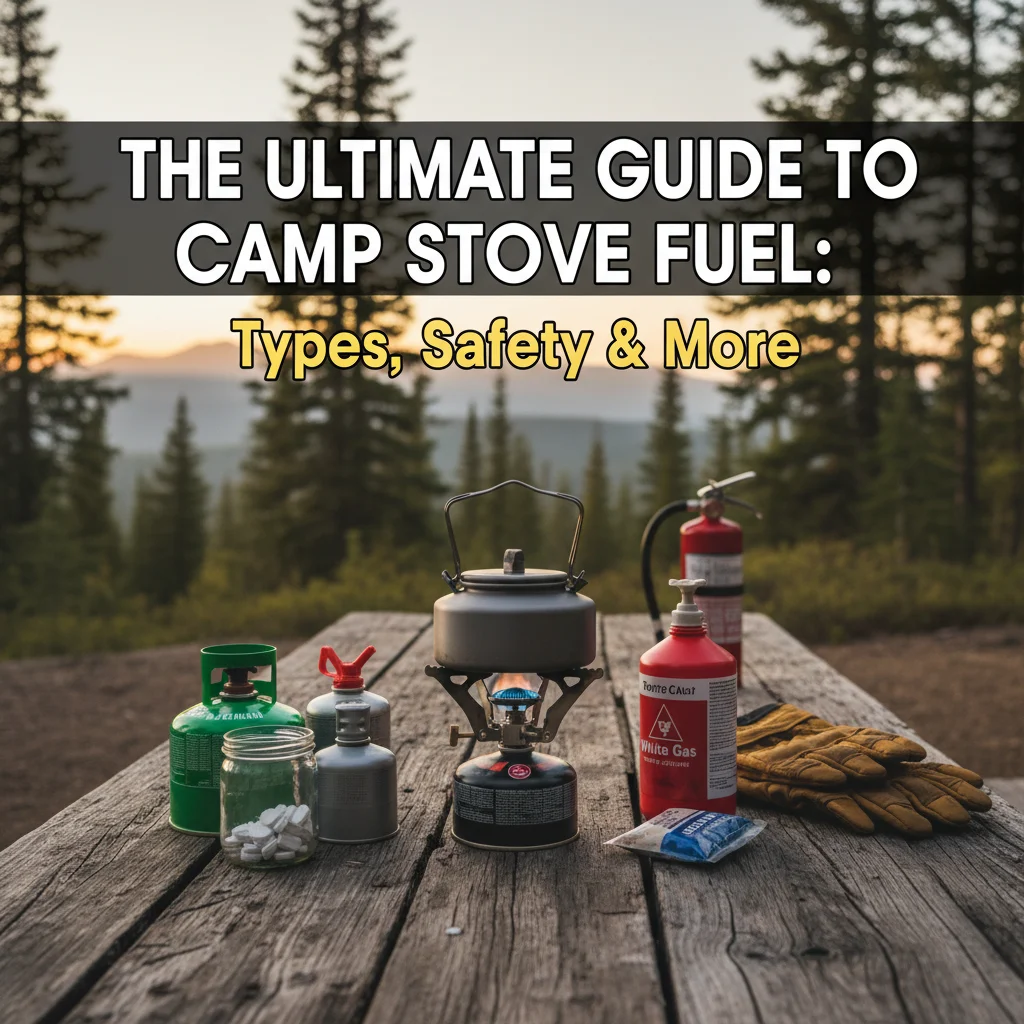
Choosing the right **camp stove fuel** is like choosing the right ingredients for your favorite recipe – it can significantly impact the outcome. Each type has its own set of advantages and disadvantages, making it suitable for different camping scenarios. Let’s explore the most common options:
* **Propane:** The old reliable. Propane is a popular choice due to its wide availability, ease of use, and consistent performance in various temperatures. It’s typically sold in small, portable cylinders, making it convenient for backpacking and car camping alike.
* **Butane:** Similar to propane, butane offers a clean-burning flame and is often found in smaller, more compact canisters. However, butane’s performance can be affected by cold weather, making it less ideal for winter camping.
* **Isobutane:** A blend of butane and propane, isobutane offers a good balance of performance and portability. It performs better in colder temperatures than pure butane and is a common choice for backpacking stoves.
* **White Gas (Naphtha):** White gas, also known as naphtha or Coleman fuel, is a petroleum-based fuel that provides a powerful and reliable flame, even in cold conditions. It’s often used in multi-fuel stoves and is a good option for high-altitude or winter camping. However, it requires a bit more maintenance and can be more volatile than other fuels.
* **Alcohol:** Alcohol stoves are lightweight and simple, making them a popular choice for minimalist backpackers. Denatured alcohol is the most common fuel used in these stoves, offering a clean-burning flame and easy availability. However, alcohol stoves tend to have lower heat output and can be affected by wind.
* **Solid Fuel Tablets:** These compact and lightweight tablets are a great emergency fuel source. They are easy to store and transport, but their heat output is relatively low, and they can leave a residue.
[Browse top-rated camp stove fuel on Amazon]
## Camp Stove Fuel: Safety First!
Safety should always be your top priority when dealing with **camp stove fuel**. Here are some essential safety tips to keep in mind:
* **Read the Instructions:** Always read and follow the manufacturer’s instructions for your stove and fuel type.
* **Ventilation is Key:** Never use a **camp stove fuel** inside a tent, cabin, or other enclosed space. Carbon monoxide poisoning is a serious risk. Always operate your stove in a well-ventilated area.
* **Check for Leaks:** Before each use, inspect your fuel canisters and connections for any signs of leaks. If you smell gas, immediately turn off the stove and move away from the area.
* **Stable Surface:** Place your stove on a level, stable surface away from flammable materials like dry grass, leaves, or overhanging branches.
* **Keep Away from Children and Pets:** Store **camp stove fuel** out of reach of children and pets. Never allow children to operate a stove without adult supervision.
* **Proper Storage:** Store **camp stove fuel** in a cool, dry place away from direct sunlight and heat sources.
* **Extinguish Properly:** Always ensure the stove is completely extinguished before leaving it unattended.
* **Safe Disposal:** Dispose of empty fuel canisters responsibly. Check with your local recycling center for options. Do not puncture or incinerate canisters.
* **Practice Makes Perfect:** Practice setting up and operating your stove at home before heading out on your camping trip. This will help you become familiar with the equipment and identify any potential issues.
* **Carbon Monoxide Detector:** Consider bringing a portable carbon monoxide detector, especially if you are camping in an area with limited ventilation.
[Browse top-rated camp stove fuel on Amazon]
## Choosing the Right Camp Stove Fuel for Your Needs
Selecting the best **camp stove fuel** depends on several factors, including:
* **Type of Camping:** Are you backpacking, car camping, or RV camping? Backpacking requires lightweight and compact options, while car camping allows for heavier and more versatile fuels.
* **Weather Conditions:** Will you be camping in cold weather? Propane, white gas, and isobutane perform better in cold temperatures than butane.
* **Stove Type:** Different stoves are designed to work with specific fuel types. Make sure the fuel you choose is compatible with your stove.
* **Ease of Use:** Some fuels are easier to use and maintain than others. Propane and butane are relatively straightforward, while white gas requires more attention.
* **Availability:** Consider the availability of the fuel in the areas where you will be camping. Propane is widely available, while white gas may be harder to find in some locations.
* **Cost:** The cost of **camp stove fuel** can vary depending on the type and quantity. Compare prices and choose an option that fits your budget.
* **Environmental Impact:** Some fuels are more environmentally friendly than others. Consider using refillable fuel bottles or eco-friendly alternatives when possible.
[Browse top-rated camp stove fuel on Amazon]
## Propane: The Versatile Workhorse
Propane is a popular choice for **camp stove fuel** due to its versatility and ease of use.
### Best For:
* Car camping
* RV camping
* General outdoor cooking
### Key Features:
* **Wide Availability:** Propane canisters are readily available at most camping supply stores, hardware stores, and even some grocery stores.
* **Consistent Performance:** Propane burns cleanly and efficiently, providing a consistent flame even in colder temperatures.
* **Easy to Use:** Propane stoves are simple to set up and operate, making them a great option for beginners.
### Why We Like It:
Propane is a reliable and readily available **camp stove fuel** that’s perfect for a wide range of camping activities. Its consistent performance and ease of use make it a hassle-free choice for cooking delicious meals outdoors.
**Amazon Recommendation:** Coleman Propane Fuel, 16.4 oz Cylinder – A classic and reliable propane canister for your camping stove.
[Browse top-rated camp stove fuel on Amazon]
## Isobutane: The Backpacking Champion
Isobutane is a popular choice for backpackers due to its lightweight and compact design.
### Best For:
* Backpacking
* Lightweight camping
* High-altitude cooking
### Key Features:
* **Lightweight and Compact:** Isobutane canisters are small and lightweight, making them easy to pack and carry on backpacking trips.
* **Good Cold Weather Performance:** Isobutane performs better in colder temperatures than pure butane, making it a good option for mountain camping.
* **Clean Burning:** Isobutane burns cleanly and efficiently, minimizing soot and residue.
### Why We Like It:
Isobutane offers a great balance of performance and portability, making it an ideal **camp stove fuel** for backpackers and those who prioritize lightweight gear. Its good cold weather performance ensures you can cook hot meals even in challenging conditions.
**Amazon Recommendation:** MSR IsoPro Fuel Canister – A high-performance isobutane canister designed for backpacking stoves.
[Browse top-rated camp stove fuel on Amazon]
## White Gas (Naphtha): The Cold Weather Warrior
White gas is a powerful **camp stove fuel** that’s ideal for cold weather and high-altitude camping.
### Best For:
* Cold weather camping
* High-altitude cooking
* Multi-fuel stoves
### Key Features:
* **Excellent Cold Weather Performance:** White gas performs exceptionally well in cold temperatures, making it a reliable choice for winter camping.
* **High Heat Output:** White gas provides a high heat output, allowing you to cook food quickly and efficiently.
* **Versatile:** White gas can be used in multi-fuel stoves, providing flexibility in fuel options.
### Why We Like It:
White gas is the go-to **camp stove fuel** for serious outdoor enthusiasts who need reliable performance in extreme conditions. Its excellent cold weather performance and high heat output make it a must-have for winter camping and high-altitude expeditions.
**Amazon Recommendation:** Coleman Fuel – A trusted and reliable white gas fuel for your camping stove.
[Browse top-rated camp stove fuel on Amazon]
## Alcohol: The Minimalist’s Choice
Alcohol is a lightweight and simple **camp stove fuel** that’s perfect for minimalist backpackers.
### Best For:
* Minimalist backpacking
* Lightweight camping
* Emergency situations
### Key Features:
* **Lightweight and Compact:** Alcohol is very lightweight and can be stored in small, portable containers.
* **Simple to Use:** Alcohol stoves are simple in design and easy to operate.
* **Renewable Resource:** Denatured alcohol can be produced from renewable resources.
### Why We Like It:
Alcohol is a great option for minimalist backpackers who prioritize lightweight gear and simplicity. Its easy availability and renewable nature make it a sustainable choice for outdoor cooking.
**Amazon Recommendation:** Klean Strip SLX Denatured Alcohol – A clean-burning denatured alcohol for your alcohol stove.
[Browse top-rated camp stove fuel on Amazon]
## Camp Stove Fuel FAQs
* **Can I use propane in a butane stove?** No, propane and butane stoves have different fittings and require different fuel pressures. Using the wrong fuel can be dangerous.
*
[Check the latest prices and deals for camp stove fuel on Amazon today!]

![The Ultimate Electrician Multi-Tool Buying Guide [2026]](https://www.bestoutdoorgearreview.com/wp-content/uploads/2026/03/the-ultimate-electrician-multi-tool-buying-guide-2026-150x150.webp)